Provincial News
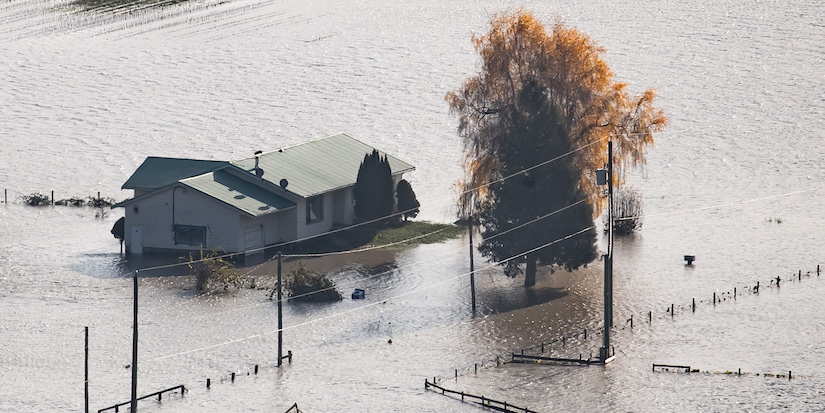
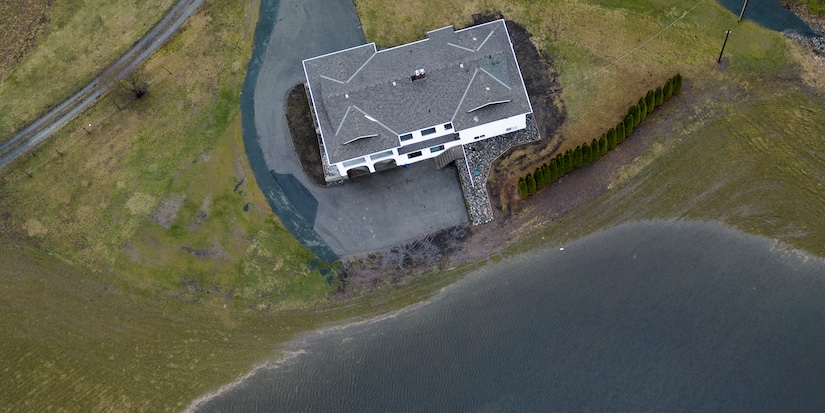
A house on a farm is surrounded by floodwaters in Abbotsford, B.C., on Wednesday, November 17, 2021.
THE CANADIAN PRESS/Darryl Dyck
How does climate change affect the likelihood of extreme rain? Federal department aims to publish rapid results

Published 2:14 PST, Thu December 11, 2025


-
Federal scientists will start to publish rapid results looking at how much more likely major rainstorms have become due to climate change.
Environment and Climate Change Canada says it's expanding its rapid attribution system, so far used to analyze extreme temperatures, to also include extreme precipitation.
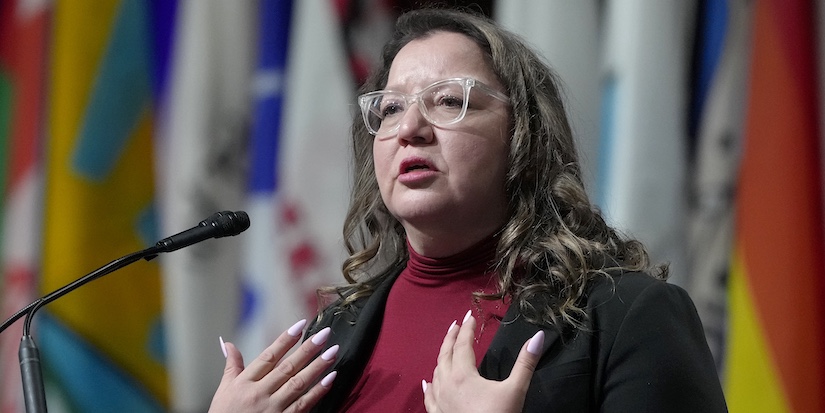
"This area of research supports important decision-making that helps Canadian communities prepare for and adapt for the changing frequency and severity of extreme weather events," said Madalina Surcel, a climate extreme specialist with the department.
Officials say they have already run the tool on 42 extreme precipitation events across Canada since June. They say the vast majority of those events were up to two times more likely to happen because of climate change, and three were up to 10 times more likely.
One of those three was on Baffin Island, where 20 millimetres dropped on July 11, about 40 per cent of the area's average monthly rainfall.
Environment and Climate Change Canada became one of the first government offices in the world in summer 2024 to publicly roll out a tool that quickly analyzes extreme weather and links it to climate change.
The rapid studies, popularized over the past decade by trailblazing international research groups, look to inject climate science into extreme weather discussions when public attention is still high.
They can also help give decision-makers more info about how to better plan for a future marked by a higher likelihood of extreme heat or devastating floods.
The program's expansion comes as an atmospheric river soaks southern British Columbia, prompting evacuation orders and local states of emergency.
A study co-authored by some of the same federal scientists behind the new tool found the 2021 B.C. atmospheric river was about 60 per cent more likely to happen due to climate change.
Attribution studies typically follow the same general premise. Researchers run climate models under two different scenarios. One scenario is modelled on a pre-industrial climate before humans started burning fossil fuels, and a second is based on a simulation of our climate as it is now.
They then compare those results to a given extreme weather event, like the July rains on Baffin Island, to figure out how much more likely such an event has become in a warming world.
This report by The Canadian Press was first published Dec. 11, 2025.





























2 Hours of free financial consulting
Jai Xin Planning Ltd.
C$120.00 C$0.00

Use any of our home staging service and get a second month rental for free!
MiiX Interiors
C$500.00 C$0.00

Get 10% off any order
Phantom Screens Lower Mainland
C$200.00 C$180.00