Latest News
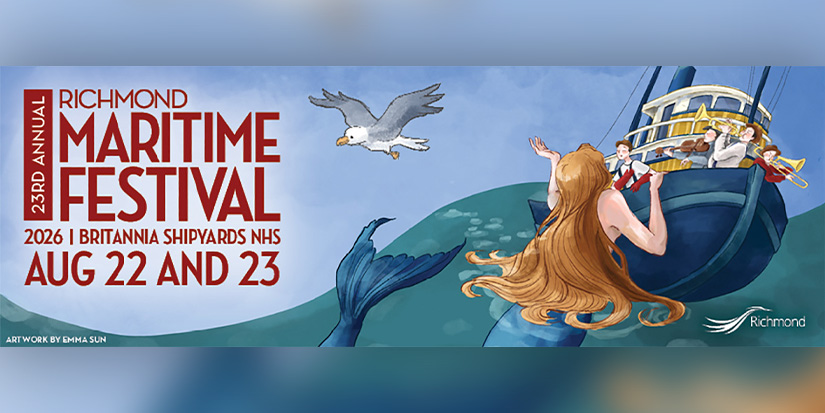
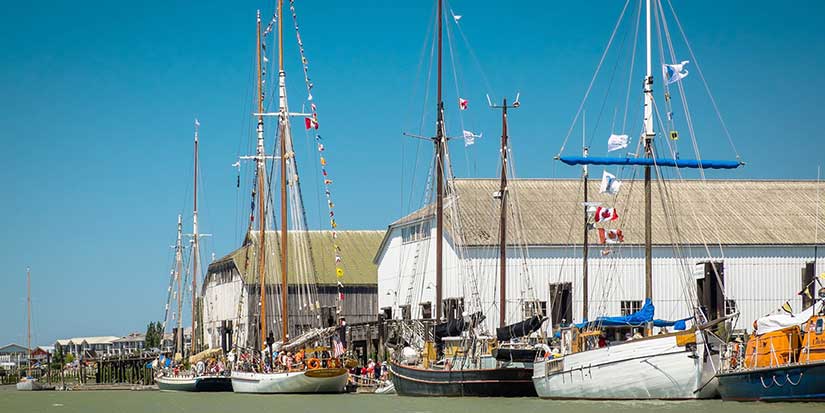
Photo courtesy City of Richmond
23rd Richmond Maritime Festival

Published 4:48 PDT, Tue August 11, 2026


-
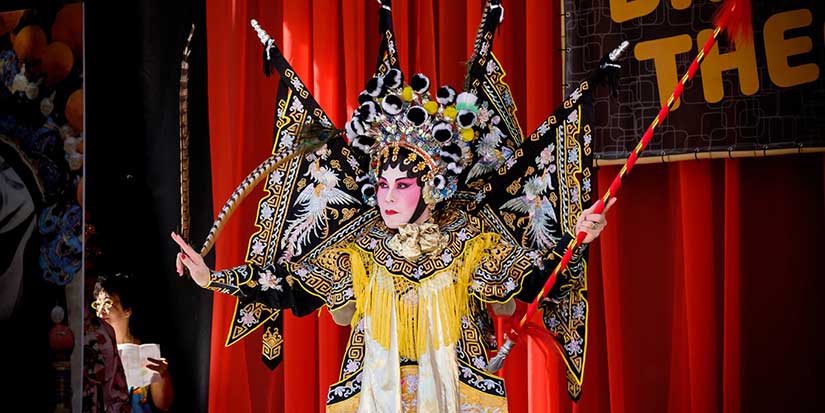
Richmond, British Columbia, is set to host its 23rd annual Richmond Maritime Festival on August 22nd and 23rd, 2026, from 11:00 AM to 6:00 PM, at the historic Britannia Shipyards. This beloved free event promises a vibrant weekend of cultural performances, captivating displays, interactive activities, and fascinating demonstrations, all celebrating the city's deep-rooted connection to the sea and its rich multicultural history.
The festival offers a unique opportunity to explore a collection of beautifully restored wooden boats and maritime vessels docked along the waterfront, bringing to life the era when Steveston was a bustling hub of the West Coast fishing industry. Beyond the visual spectacle of maritime craft, visitors can enjoy live music across multiple stages, engage in family-friendly activities, discover local artists and artisans, and sample delicious offerings from various food vendors.
The Festival will include food trucks, previous events hosted Cazba Persian Grill, Cheez2, CultivATE, D-Original Sausage Haus, Golden Bannock, Japadog, Japan Rice Bowl Association, Lemon Heaven, Little Mexico Cantina, Mango Yummy, Martha’s Kettle Corn, Rolled West Coast, Slothfuls, Stackers, Lucky Churros, Coffee Box, and Tornado Truck.
The location of the festival, Britannia Shipyards, is itself a testament to Steveston's profound maritime past. Originally built as the Britannia Cannery in 1889, it stands as a preserved piece of “Cannery Row,” the stretch of the Fraser River waterfront that, at its peak, housed more than 20 canneries. These industrial giants, like the famous Gulf of Georgia Cannery dubbed the “Monster Cannery,” transformed Steveston into the “Salmon Capital of the World” and a booming town that attracted a seasonal population of up to 10,000 people.
The canneries of Steveston were a vibrant mix of cultures, albeit one often marked by rigid hierarchies and challenging conditions. Each canning season saw a massive influx of workers from various backgrounds, including First Peoples, and immigrants from China, Japan, and Europe.
First Nations communities, with their ancestral knowledge of the Fraser River's abundant salmon runs, were integral to the early fishing industry. Indigenous men often fished for the canning companies, while Indigenous women were employed inside the canneries. Many First Nations groups from along the BC coast and Vancouver Island would migrate to the Fraser River area during the sockeye fishing season, often as entire house groups, living in seasonal housing provided by the canneries. This participation, however, occurred within the harsh backdrop of colonial impacts that significantly disrupted traditional ways of life and forced First Nations peoples to seek employment within new industries.
Chinese immigrants played a crucial, though often undervalued, role in the canneries. By the 1890s, they constituted the majority of cannery workers, primarily in the gruelling butchering crews where they were responsible for cleaning and slicing the salmon. Chinese laborers were typically hired through a “Chinese contract system,” where a bilingual contractor would negotiate wages, room, and board for his crews. Conditions in the bunkhouses were often bare and cramped, with dozens of workers sleeping in close quarters. Despite facing discrimination and being paid a fraction of the wages of Anglo-Canadian workers, Chinese immigrants formed tight-knit communities, with their own China towns emerging along the waterfront, complete with stores and services.
Japanese immigrants also formed a significant part of Steveston's workforce, with many settling permanently in the town. By the 1930s, the Japanese community in Steveston numbered around 3,500, making up a substantial portion of the population. Japanese men were highly valued for their fishing and boat-building skills, often building the wooden gillnetters used in the fishery. Japanese women, too, worked in the canneries, sometimes with babies strapped to their backs. The canneries actively sought Japanese employment, building bunkhouses for fishermen and later houses for their families. The deep roots of the Japanese community in Steveston were tragically severed during World War II with the forced internment and displacement of Japanese Canadians in 1942, leading to the loss of much of their property and the dismantling of their community.
The 2026 Richmond Maritime Festival is more than just a weekend of fun; it's an immersive experience that pays homage to Steveston’s extraordinary history. By showcasing the meticulously preserved Britannia Shipyards, inviting historic vessels, and featuring cultural performances that reflect the diverse heritage of its workers, the festival helps to ensure that the stories of all those who shaped Steveston's maritime legacy are remembered and celebrated. A powerful reminder of how the convergence of nature's bounty, human ingenuity, and the hard work of people from around the world forged a unique and enduring community on the shores of the Fraser River.




























































































2 Hours of free financial consulting
Jai Xin Planning Ltd.
C$120.00 C$0.00

Use any of our home staging service and get a second month rental for free!
MiiX Interiors
C$500.00 C$0.00

Get 10% off any order
Phantom Screens Lower Mainland
C$200.00 C$180.00