Latest News
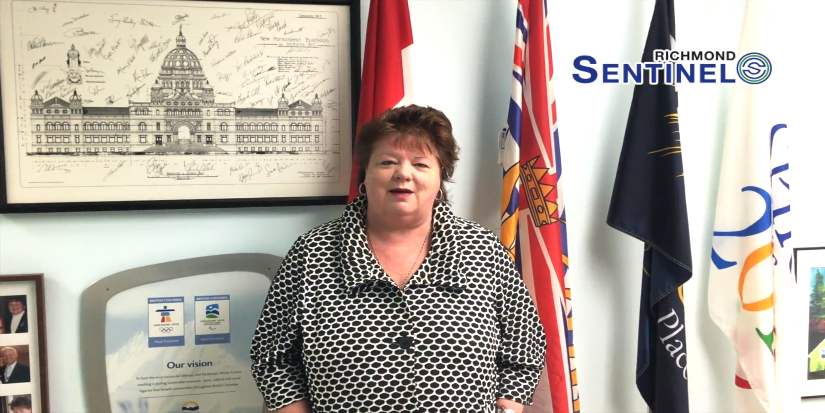
Fire Chief Jim Wishlove


-
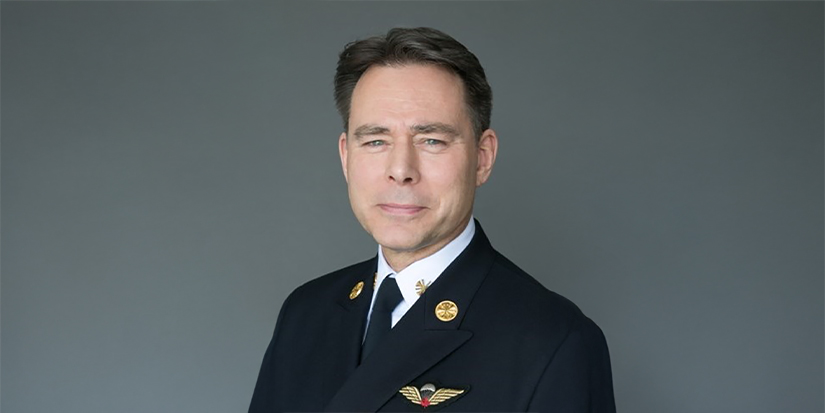
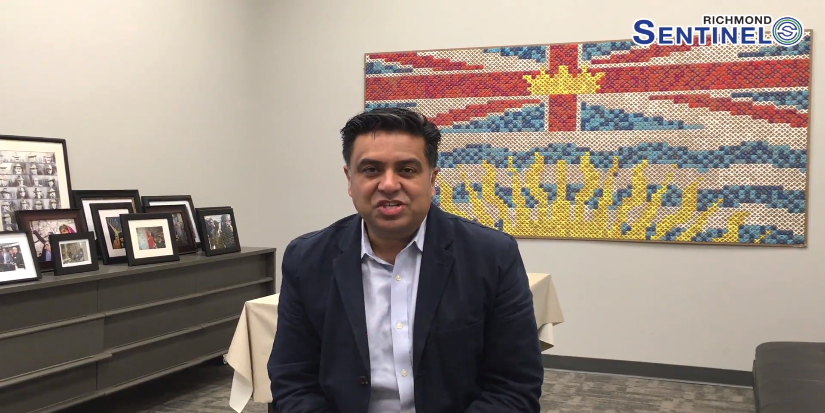
In a series about the city of Richmond’s emergency services, we started with a two-part episode with the Richmond Fire Rescue. In part one, we reported the early beginnings of the fire halls and equipment. Today, we sat down with Richmond’s Fire Chief Jim Wishlove to talk about the changes in service and training of first responders.
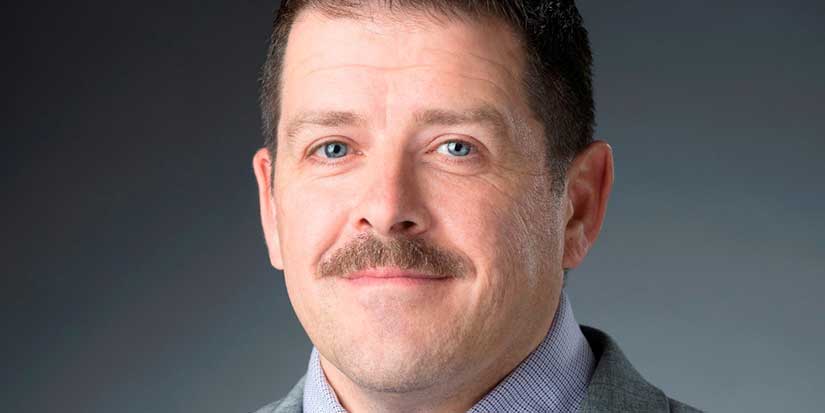
RS: Jim Wishlove is a lifelong B.C. Resident. He began his career in the fire services as a volunteer firefighter before being hired full-time as a member of Richmond Fire Rescue in 1990. Jim served as a firefighter, a dispatcher, and an instructor in several disciplines, and he progressed through the ranks to training officer and company officer. He was promoted to deputy chief in September of 2009. In 2012, Jim made the transition to the new Westminster Fire and Rescue Services, but he returned to Richmond in 2018, where he currently serves as the Fire Chief.
Recently, we ran part one, where we talked about the history of the Fire Division. Today, we want to talk about the men and women on the frontline. Jim, you’ve worked your way through the system from the ground floor up, and I've always found it fascinating when I can sit and talk to a leader who started a career at the bot- tom and earned the position as a leader. How has that affected you, your leadership, and how do you lead this team?
JW: I feel really fortunate that I've had the opportunity to cut my teeth, let's say, by coming up through the ranks. I started off in this business as a volunteer firefighter in a small municipality and then got hired in Richmond in the spring of 1990. So I have had a chance to see and work at many levels in the fire department. It has supported my leadership or my ability to lead because I've actually done the work for real for many, many years, over 20 years. And so when my staff comes to me with a request, or I'm trying to make sure I procure the right equipment, I have a decent understanding of what they're actually going to need it for and why. And it allows me to advocate better for the safety in the community.
RS: I would imagine too, to be honest, it's that you have been there and done that, so to speak, that must add credence when you're talking to younger men and women that are coming up, that you have been there like they’re doing now.
JW: I think the ability to connect with the team is because I have been there in their shoes.
RS: Not to embarrass you with 35 years of experience, how have things changed in your profession as a firefighter? There are things that they weren't responsible for 25 years ago - how have things evolved? I'll use that word, evolved. I mean that in a positive way.
JW: Absolutely. That evolution has happened for a number of reasons. The environment itself has changed. The population in the city has be- come denser, and a lot more people are obviously moving here for good reasons. The job that firefighters today in Richmond have to do involves many more hazards and many more reasons for their service to be delivered than there were 25 or 30 years ago. One example would be in medical emergencies. When I first started in 1990, the fire department was just beginning to respond to medical emergencies. And fast for- ward to today. That's more than 50% of our core business in our calls for service.
RS: And you brought up a good point before we went on camera, which is that people's habits, education, and knowledge have changed. For example, fewer people are smoking in their apartments now. That must have decreased the number of fires, which allowed you to evolve in other areas.
JW: That's absolutely correct. You know, I have to say there's been a tremendous push in public education, outreach, and awareness of the community itself for safer practices. Plus, the upgrade and enforcement of the fire code and the building code have produced buildings being built to a much higher, safer standard and so people are safer in their homes, and the chance of fire spreading and injuring the occupants are reduced substantially compared to years ago.
RS: An important topic which is of great concern for those on the front line, whether it’s emergency services, armed forces, or even in sports, and that is the mental aspect of the job. Years ago, no one talked about mental health. Is the industry better educated and equipped to support those working in a high-stress environment
JW: There has been an emphasis on this, and there's still a lot more work that has to be done. In collaboration with the municipality, with our union and a lot of outside professionals, we deliver preparedness training, resiliency training, and then post-traumatic support training for our team members, especially if they're involved in a really significant event. They’re taken offline, they're given the opportunity to debrief and defuse, and if they need time away from the workplace right away, they’re offered that as well, allowing them to come back on a structured plan for them so they're not forced back into service immediately. We want them to come back to work and be 100%.
We have the benefit of looking back at how staff were impacted by trauma, so that's a benefit. Today, we listen and regularly solicit feed- back from our staff - what do you need? What do you want? And how can we help you better? Those questions maybe were less present 20, 30, 40 years ago. The culture towards work and service has certainly changed, and so leaders today are actually servant leaders, myself included. I regularly seek and ask my staff; how can I help you better? What do you need from me? Whereas 30, 40 years ago, it was a different reporting relationship for sure.
RS: Yes, again, that's not being overly critical of the past; it’s just that knowledge and education have brought positive change. Speaking of the landscape, this is something that you're very proud of, and that is what you have, a number of women in your department com- pared to 30, 40 years ago.
JW: We do have a number of women in the fire department. While I personally can't take credit for that, the department itself has a strong and healthy culture of teamwork and inclusiveness, and candidates choose to come to work here if given a choice. As a result, we believe we have more female members on the job than any other department in the province, and also other non-traditional demographics are more populated in our department than anywhere else. For example, any given day in Richmond, you might have three to seven or eight different languages being spoken by our staff that are delivering services. I think it's important that the community, when they receive service from the Richmond fire department, they see somebody wearing our uniform, but who looks like them, has their culture and can communicate with them.
RS: Let's talk about other things that have evolved in your time in this field. I imagine the technology is beyond belief compared to when you started in 1990.
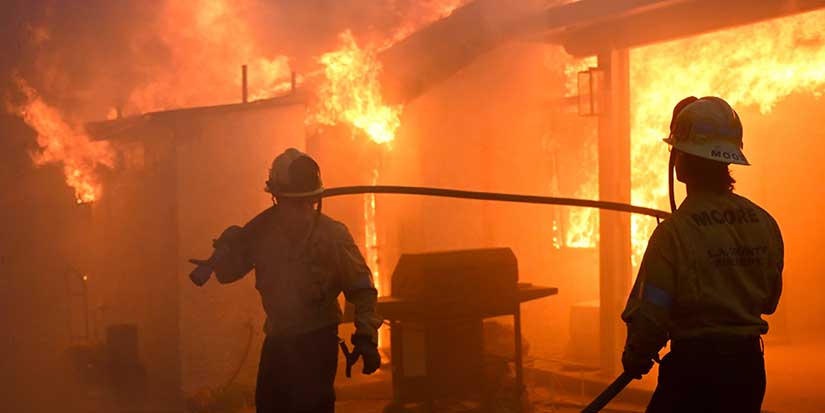
JW: We still use water to put fires out. (smile) Where technology really has evolved is in the makeup of the equipment, the safety equipment that we wear, how we detect fires, and find out where they are inside of a building. Through technology, we can be more effective and efficient in our attack to extinguish a fire. We also recognize that with the changes in the building code and the fire code, we can disassemble construction differently than we could have 30, 40 years ago in order to get at the seat of the fire and thus prevent any further fire spread , reduce the damage, which reduc- es potential for injury, reduces exposure to my staff, also reduces the impact on the insurance industry, which we all have to pay for insurance at the end of the day as well.
RS: We were talking before we went on camera about the difference in today of approaching a fire in a high-rise building. 30–40 years ago, most of the buildings in this city I would imagine, were seven, eight, nine stories. Today, you’re addressing buildings 30 stories high. How does that change your tactical approach to firefighting and keeping everyone safe?
JW: Certainly again, that structural piece designed with building codes is prescriptive as to how those buildings are supposed to be built, a staircase is actually a protective envelope inside the building that people can self shelter in, they can evacuate in. Most typically, the staircases are not going to be involved in fire because there's no flammables in them. And so we can go into those staircases, bring people down in a safe manner, and then go and attack the fire. A fire that starts in one suite most likely would not spread to another suite if we can arrive on the scene and attack the fire quickly. Whereas in years past, those fire stops were not as effective, so it's a partnership between our quick response, our incredibly able staff and, how they attack fire, combined with the building construction type.
RS: How has the training changed and evolved from 30, 35 years ago?
JW: Quite significantly. We have people coming into the fire department that maybe live at home with their parents or don't have a driver's license, don't drive a car, have very little experience using tools, but we see the potential, so we invest in the training of each individual to ensure they can adapt to our really dangerous environment with an effective and positive outcome. Our training programs have evolved in that they're much more in-depth. Communication skills amongst the team are critical, how to use technology as trucks and radio systems are all computerized, even our protective gear is a lot more comprehensive, so they have to learn how to physically adapt. They have to be very, very capable to do this work.
And then they have to practice, practice, and practice until they can do what is required without second-guessing themselves before training in semi-live environments. The process is slow but thorough before we deploy them live.
RS: How long would a new cadet, for lack of a better phrase, how long after they start training are they looking at until they're deployed to active duty?
JW: Right now, when somebody is hired, whether they come with experience or not, we train them for 16 weeks, and then we deploy them to the fire company where they do a couple of weeks in an orientation, and then they get deployed live.
RS: Changing the subject to something personal, I have never heard this as a verb before, but you're a piper, which means you play the pipes.
JW: I do play the pipes.
RS: And you have played the pipes with probably the most famous musician ever, Sir Paul McCartney, twice. Tell us a bit about that experience.
JW: Yes, I'm very lucky to be a member of the pipe band from the Delta Police. And so, we played at BC Place and at GM Place when Paul McCartney was on tour in Vancouver. And so that was one of those really good experiences for us. It was great to play with a rock icon and an idol like that. And he was actually quite a gentleman and quite receptive to us, as let's say, regular people, performing on a stage with him at the time.
RS: I guess you could take him out of Liverpool, but what I've read, you can’t take the Liverpool out of him, and you’re right, he’s a real good guy. We appreciate you taking the time to talk with us, Jim. It's educational learning about what you and your team do and how firefighters became first responders. Continued success and safety for you and everyone you work with.
---
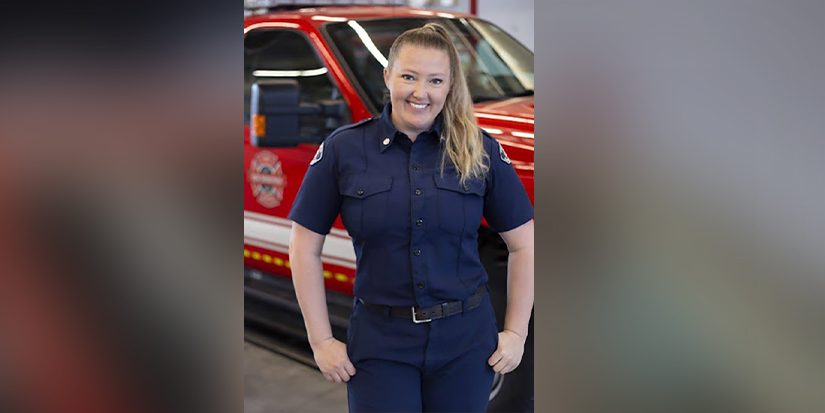
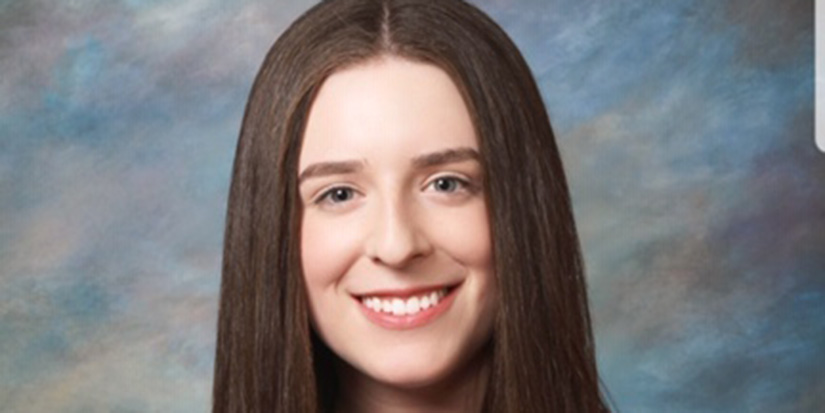
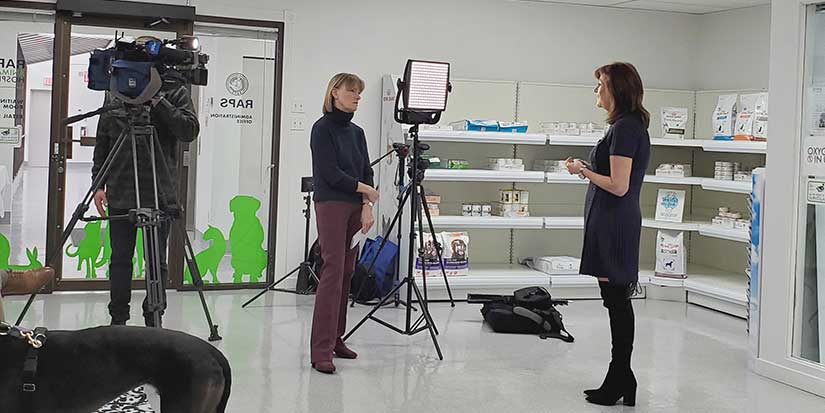
RS: After filming the interview with Fire Chief Jim Wishlove, we had the opportunity to tour the fire hall and chat with Acting Captain of Community Relations, Kylie McDonald, who is well known to every kid aged 11 because of what she does.
KMc: So my job is basically going out in the community and doing absolutely everything community-related, whether it's educational or events. I like to have a lot of fun, as our audiences are basically kids, so we've been able to create a lot of really great programs.
RS: And let's blow your horn a little because the compliment is well earned when your on- line education branding is recognized around the world. I understand that other countries reach out to you, wanting to know if you can help them develop a similar program for their part of the world.
KMc: Exactly. So the way it came around is I used to work for another department, and I was basically standing in front of young children for an hour, and we know that their attention span is limited. We wanted to be able to reach the children because so many of them learn based off of watching YouTube videos. So we created this online education program with five- or six-minute videos, and then after the videos, the kids do a little activity, and then after they've completed the entire program, we actually show up with a fire truck, and I’ll show you this “special” fire truck when we tour the hall. We’re also creating a grade 6, 7 program now, as well, where we're going to teach the kids how to do CPR.
RS: One of the things that I discussed with the Fire Chief was how things have evolved. How has that changed in what you do in the community, or if there was such an educational program and working with kids back 30 years ago?
KMc: That's actually how we were able to gain so much acceptance into the community and also gain so much visualization out into the entire world, because we were on that social media and we were able to create these brands that actually caught people's attention.
RS: That's interesting. Is it too early? I mean, when you're a kid, it goes without saying you want to be a policeman, fireman, or woman. Is it too early at that age of 10, 11, that you're looking to develop a potential interest in a career as a firefighter?
KMc: When the kids reach about 14, 15 years old, that's when they really start developing an interest in becoming some type of first responder. And that's actually quite exciting because previously it wasn't even a thing.
RS: Can you share with us a bit more about programs that you're implementing in the community?
KMc: We meet with our youth registered in cadets, scouts, and Girl Guides, just to give them the fire and life safety education that is relevant for their age group. And then for the older age groups, we meet with businesses, we meet with Strata’s, providing them with specific fire life safety education for their common interests.
RS: Can you explain how your department is evolving in terms of other responsibilities? For example, how much time do you spend here in the office compared to out in the community?
KMc: I'd say it's about 70% of the time at the fire hall and then 30% of the time out in the community. A lot of my work is not scheduled around the conventional work hours, because that's when the events are happening. For in- stance, this weekend I'm going to be over at an- other fire hall in Richmond, where we're collaborating with BC Ambulance, to present a huge education session for people from Hong Kong. So it's different every single week. And some weeks I'm out a lot.
To watch both video interviews in full go to www.richmondsentinel.ca//videos













































































2 Hours of free financial consulting
Jai Xin Planning Ltd.
C$120.00 C$0.00

Use any of our home staging service and get a second month rental for free!
MiiX Interiors
C$500.00 C$0.00

Get 10% off any order
Phantom Screens Lower Mainland
C$200.00 C$180.00